


Understanding Sleep: Importance and Benefits
Sleep is a fundamental component of human health and well-being, playing a vital role at every stage of life. Adequate sleep contributes significantly not only to cognitive function but also to emotional stability and physical health. Research indicates that sufficient sleep is crucial for the brain’s processing capabilities, enhancing learning, memory retention, and problem-solving skills. As one ages, sleep patterns evolve; however, the importance of restorative sleep remains constant.
For children and adolescents, sleep is pivotal for growth and development. During these stages, quality sleep is linked to increased attention spans and improved performance in educational settings. Sleep plays a therapeutic role in the release of growth hormones, making it essential for the physical development of children. The impact of sleep deprivation during these formative years can lead to lasting deficiencies in both cognitive and physical capabilities.
In adulthood, the necessity of sleep transitions towards maintenance of health and prevention of chronic diseases. Studies suggest that insufficient sleep is correlated with various health issues, including obesity, cardiovascular diseases, and diabetes. Furthermore, adequate sleep contributes to emotional health by reducing stress and anxiety levels, ultimately leading to increased overall life satisfaction and productivity.
As individuals enter older adulthood, sleep often becomes more fragmented, which can affect cognitive functions and emotional stability. Aging is associated with changes in sleep architecture, and the ability to obtain restorative sleep may diminish. Recognizing the importance of tailored sleep strategies during this life stage can facilitate better management of age-related changes, promoting health and enhancing life quality.
In essence, prioritizing sleep is essential throughout one’s life, as it brings numerous benefits that support cognitive, emotional, and physical health while also improving overall quality of life.
Recommended Sleep Durations by Age Group
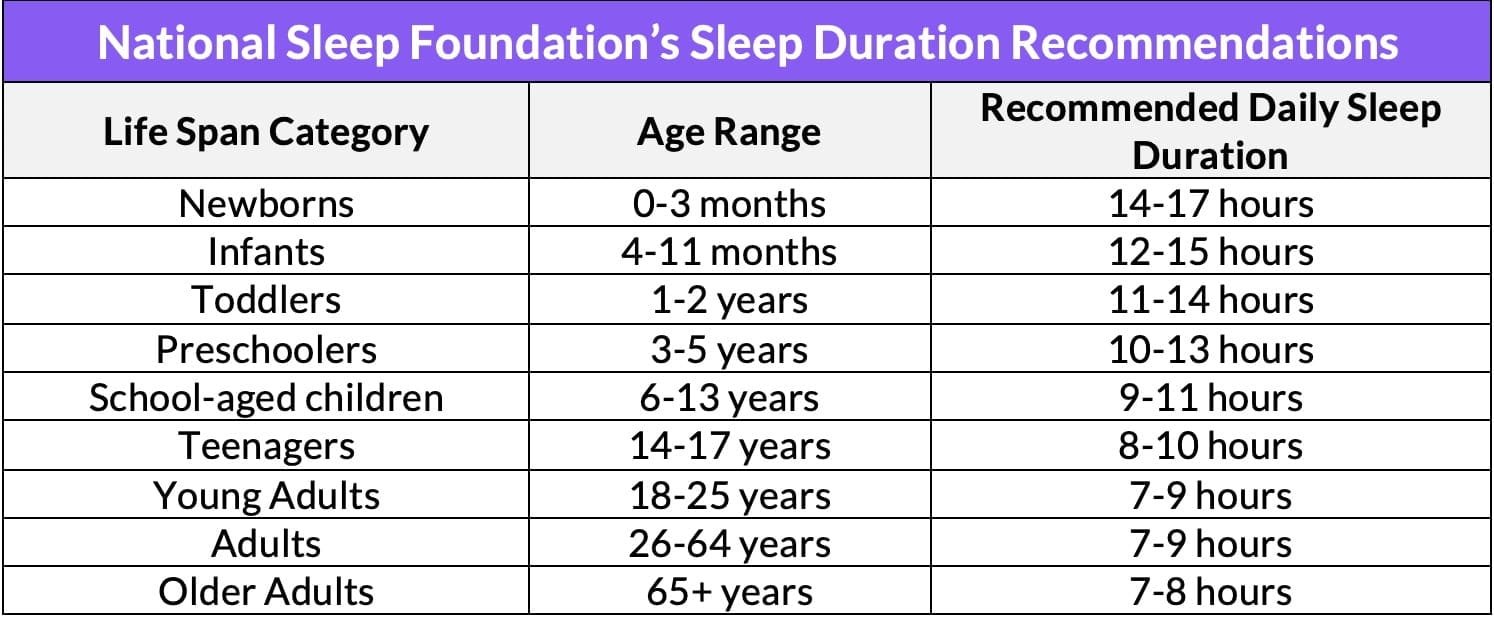
Sleep is an essential component of overall health and well-being, with varying requirements as individuals progress through different stages of life. Recent scientific research and guidelines from sleep foundations provide a comprehensive overview of recommended sleep durations tailored to specific age groups. Understanding these needs is crucial for promoting optimal health and preventing sleep-related issues.
Newborns, aged 0 to 3 months, require the most sleep, averaging 14 to 17 hours per day. This extensive sleep is vital for their rapid growth and development. As infants reach the 4 to 11 months stage, their sleep needs adjust slightly, ranging from 12 to 15 hours, including both nighttime sleep and daytime naps.
Toddlers, aged 1 to 2 years, typically need about 11 to 14 hours of sleep per day. During this period, consistent bedtime routines and sleep environments can help ensure that toddlers achieve the recommended sleep duration. As children grow into preschoolers (3 to 5 years), the recommended sleep duration decreases to around 10 to 13 hours, which still supports their cognitive and physical development.
School-aged children, approximately 6 to 13 years old, should aim for 9 to 11 hours of sleep. This age group often experiences increased academic and extracurricular demands, making adequate sleep crucial for focus and overall health. Teenagers, aged 14 to 17 years, require about 8 to 10 hours of sleep. Due to lifestyle changes and early school start times, adolescents often struggle to meet this requirement despite its importance for their mental and emotional health.
Adults, from 18 to 64 years, generally need between 7 to 9 hours of sleep. This amount is essential to maintain physical health, cognitive function, and emotional well-being. Finally, older adults, aged 65 and over, typically require 7 to 8 hours of sleep. However, many in this age group experience changes in sleep patterns, which can affect overall sleep quality and duration.
Factors Influencing Sleep Needs and Quality
Sleep is a fundamental aspect of human health, yet the amount and quality of sleep required can vary significantly depending on various factors. To better understand individual sleep needs, it is essential to consider lifestyle choices, medical conditions, stress levels, and environmental influences.
Lifestyle choices play a critical role in determining both the quantity and quality of sleep. For instance, individuals with demanding work schedules, irregular hours, or high levels of physical activity may find their sleep patterns disrupted. Conversely, maintaining a consistent sleep schedule and practicing good sleep hygiene, such as limiting exposure to screens before bedtime, can enhance sleep quality. Nutrition and exercise are also pivotal; for example, consuming heavy meals or engaging in vigorous exercise close to bedtime may hinder the ability to fall asleep or achieve restorative sleep.
Medical conditions significantly impact sleep needs and quality as well. Chronic pain, respiratory issues, or conditions like sleep apnea can lead to fragmented sleep, necessitating longer sleep durations to achieve the restorative effects typically desired. Moreover, mental health conditions, such as anxiety and depression, can lead to insomnia or excessive sleepiness, further complicating sleep requirements.
Stress levels also cannot be ignored; prolonged periods of stress can lead to increased cortisol levels, which may inhibit the body’s ability to relax and fall asleep. Effective stress management techniques, including mindfulness and relaxation exercises, can facilitate better sleep outcomes.
Environmental factors, such as light exposure, noise levels, and room temperature, play a significant role in sleep quality. A conducive sleep environment promoting darkness and quietness enables individuals to achieve deeper sleep, which is vital for overall health.
Lastly, age-related changes, such as hormonal shifts and alterations in health status, can influence sleep patterns, making it crucial to continuously evaluate one’s personal sleep needs throughout different life stages.
Tips for Achieving the Recommended Sleep Duration
Achieving the recommended sleep duration tailored to various age groups requires proactive strategies to foster healthy sleep habits. One fundamental approach is to establish a consistent sleep schedule. Adults and children alike should aim to go to bed and wake up at the same time each day, even on weekends. This regularity helps regulate the body’s internal clock, improving the quality of sleep and aiding in falling asleep faster.
Creating an optimal sleep environment is equally crucial. A dark, quiet, and cool room promotes a more restful sleep. Consider using blackout curtains, earplugs, or white noise machines to minimize disturbances. The bedding should be comfortable; investing in quality mattresses and pillows can significantly affect sleep quality. Additionally, limiting exposure to screens from televisions, computers, and smartphones at least an hour before bedtime reduces blue light interference, allowing melatonin levels to rise naturally, which can facilitate easier transitions into sleep.
Another vital aspect of meeting individual sleep needs is effectively managing stress. Incorporating relaxation techniques such as deep breathing exercises, progressive muscle relaxation, or mindfulness meditation can help ease the mind and body. These practices not only prepare one for restful sleep but also enhance overall mental health. Engaging in regular physical activity during the day, without it being too close to bedtime, contributes to improved sleep quality as well.
Listening to one’s body is essential as well; sleep requirements can shift throughout life. Pay attention to how you feel upon waking. If you consistently feel fatigued or groggy, consider adjusting your sleep schedule by either going to bed earlier or waking up later as necessary. Making these adjustments based on personal cues allows individuals to align their sleep needs with their emotional and physical well-being throughout different life stages.